
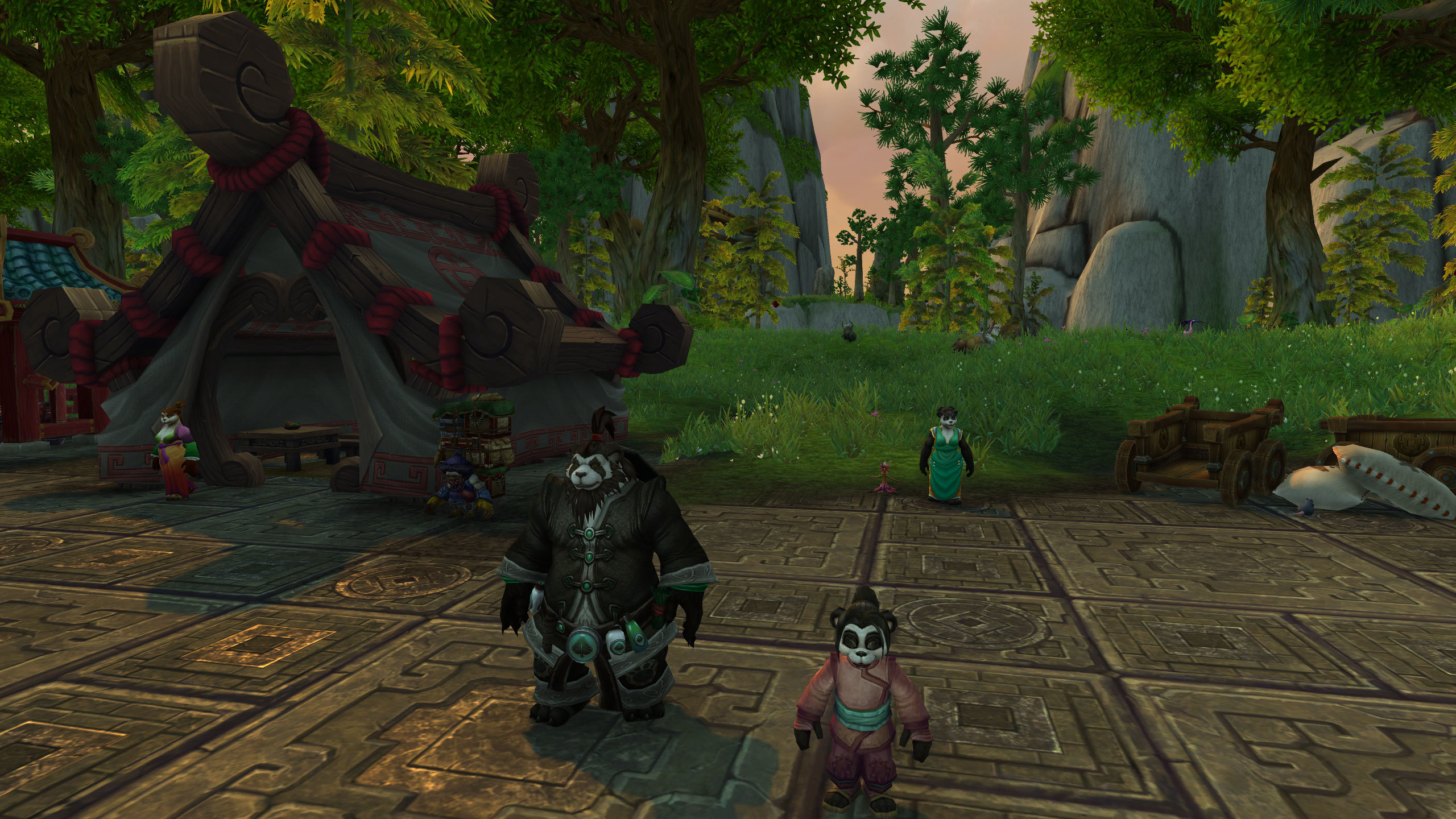
The Shado-Pan have always stood apart from the rest of Pandaria—cloaked in discipline, secrecy, and a solemn duty few fully understand. Charged with guarding the continent against the terrors of the Sha and threats beyond mortal comprehension, they serve as both watchful guardians and silent warriors. Their training is legendary, their resolve unbreakable, and their legacy carved into the snowy peaks of Kun-Lai.
Now, as ancient disturbances ripple across Pandaria and forgotten monasteries awaken, the Shado-Pan open their doors to a new generation of recruits. These initiates come from every corner of the continent, drawn by honor, purpose, or the quiet call to protect their homeland from unseen dangers.

The Path to the Monastery
Reaching the Shado-Pan Monastery is the first test. Recruits must traverse narrow cliffside trails, icy storms, and stone bridges so high that clouds drift beneath them. Some say the wind itself tries to turn initiates back, as if testing their determination. Those who reach the monastery’s great gates earn their place not through recommendation or lineage, but through perseverance alone.
Every step of the journey serves as a lesson: the Shado-Pan endure what others retreat from.
The First Lessons of Silence
The earliest days of training focus not on combat, but on silence. Recruits spend long hours in meditation halls, learning how to quiet their minds and control their emotions. The Shado-Pan believe that a warrior ruled by fear or anger is a danger not only to themselves, but to all of Pandaria—especially given the Sha’s insidious nature.

Some initiates struggle. Others find unexpected peace. But all learn that silence is not emptiness—it is mastery over one’s inner storm.
List: Core Disciplines Taught to New Recruits
Every Shado-Pan initiate studies five core disciplines that shape their identity and skillset:
- Emotional Control: Techniques to resist the influence of fear, anger, and doubt.
- Shadowed Footwork: Movement methods that silence even the faintest step.
- Mindful Vigilance: Awareness training to detect threats long before they strike.
- Harmonized Combat: Blending martial arts with inner calm to strike without hesitation.
- Silent Meditation: Extended sessions of reflection to understand one’s purpose.
These disciplines form the foundation of the Shado-Pan ethos and prepare recruits for the challenges ahead.
Training in the Courtyards of Snow and Stone
The courtyards of the monastery ring with the sound of wooden practice weapons clashing against shields. Recruits spar under the watchful gaze of seasoned masters, who correct every misstep with strict precision. Martial prowess alone is not enough; initiates must learn how to read the rhythm of the battlefield, anticipate danger, and strike with intention rather than emotion.
Each courtyard is dedicated to a different style, from spear mastery to unarmed defense, ensuring recruits become versatile and disciplined warriors.
The Test of Shadows
Once initiates show adequate discipline, they undertake the Test of Shadows. This trial requires navigating a labyrinth of dark chambers filled with illusions, traps, and silent watchers. The goal is not to defeat enemies, but to understand fear: its origin, its trigger, and the ways it clouds judgment.
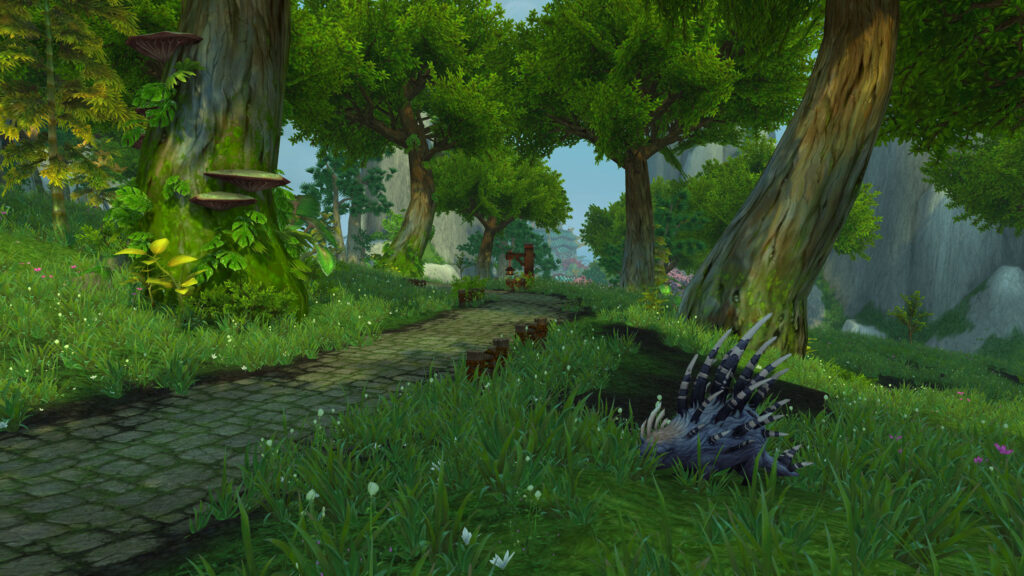
Those who rely on brute strength fail. Those who observe, breathe, and think with clarity succeed.
The Masters Who Guide Them
The Shado-Pan masters are not merely teachers—they are exemplars of balance. Many have endured tragedies that would break lesser warriors, yet they channel their pain into clarity. Master Snowdrift is known for his fluid, dance-like combat style. Elder Cloudfall guides recruits through emotional healing. Taran Zhu, stern as mountain granite, reminds all initiates that vigilance is the first step toward peace.
Their lessons extend beyond battle. They teach humility, restraint, and the burden carried by those who guard the silence between wars.
The Role of the Shado-Pan in a Changing World
Pandaria is not isolated from the world’s upheavals. As ancient forces stir beneath Azeroth and cosmic threats ripple across timelines, the Shado-Pan adapt. They now train recruits to understand threats beyond the Sha—void energies, elemental anomalies, and fragments of foreign magic drifting into Pandaria’s borders.
Those who graduate the monastery find themselves not only defending villages and temples, but investigating rifts and guiding lost spirits back to harmony.
The Brotherhood and the Burden
Shado-Pan warriors form deep bonds with one another, forged through shared silence and struggle. They fight side by side in the harshest conditions, trusting each other completely. Yet they also accept burdens others cannot: witnessing horrors, standing guard in lonely places, and confronting threats that thrive in emotional chaos.
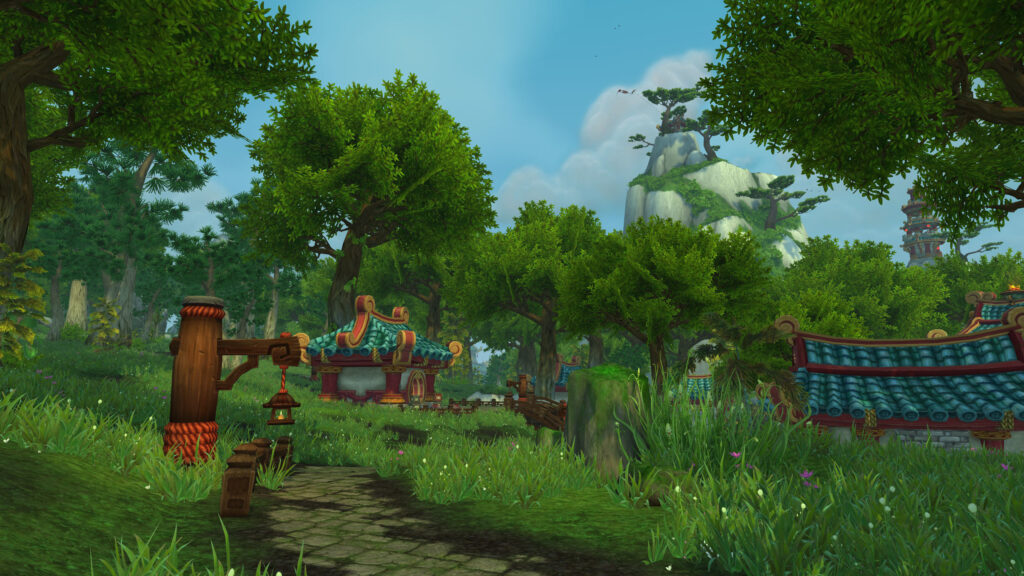
This burden shapes them into more than warriors—they become guardians of Pandaria’s spiritual balance.
Graduation and the Oath
Those who complete their training take the Oath of the Silent Watch, pledging their lives to protecting Pandaria from unseen dangers. The ceremony is quiet, held at dawn, with initiates standing atop the monastery’s highest balcony. As the sun rises over Kun-Lai, each recruit feels a shift within themselves—an understanding that their duty has only just begun.
From that moment, they walk not as students, but as Shado-Pan—warriors who carry the will of silence and shadow.
Conclusion
The Shado-Pan remain one of Azeroth’s most disciplined and mysterious orders, their legacy rooted in sacrifice, serenity, and unwavering vigilance. As new recruits enter their halls and ancient threats resurface, the order stands ready to shape the next generation of silent guardians.
The call of the Shado-Pan echoes through mountains, forests, and the hearts of those seeking purpose. Those who answer will walk a path unlike any other—a path of shadow, silence, and unshakable resolve.


Leave a Reply